Preparing for Band Rehearsals Without Getting Lost in Gear
As an Amazon Associate, we may earn from qualifying purchases. This comes at no extra cost to you and helps support our website.
Great Rehearsals Usually Begin Before Anyone Arrives
Every musician knows the difference between a productive rehearsal and a frustrating one.
In a productive rehearsal, the band quickly settles into songs, ideas flow naturally and everyone spends their time making music.
In a frustrating rehearsal, valuable minutes disappear while players adjust settings, troubleshoot sounds or search for the right tone.
Preparation often determines which type of rehearsal takes place.
For guitarists, having a reliable and flexible approach to tone management can make a noticeable difference. The goal isn’t to bring the most equipment. It’s to arrive ready to play.
Modern modeling technology has changed how many players approach rehearsal preparation by providing access to a huge range of sounds within a single, organised system.
Instead of focusing on gear changes, musicians can focus on the music itself.
Why Rehearsals Demand Versatility
Band rehearsals are rarely as predictable as practice sessions at home.
A guitarist may need several different sounds within a single evening.
One song may require a clean, articulate tone.
The next could need a classic overdrive.
Another may benefit from heavier distortion, added ambience or a completely different tonal character.
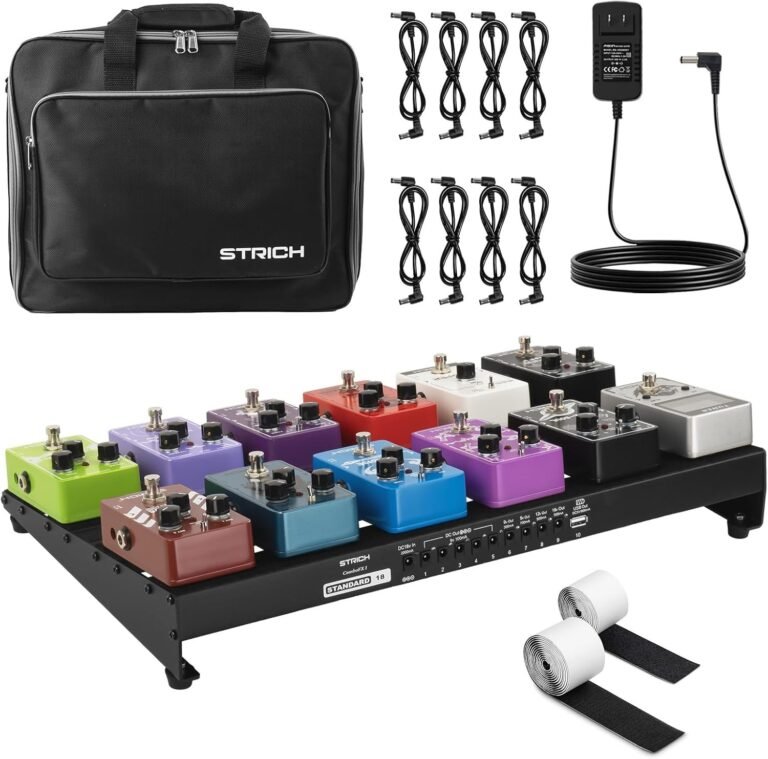
Traditionally, covering this variety often meant bringing multiple pedals and carefully arranging a pedalboard.
While many players still enjoy that approach, it can become increasingly complex as musical requirements grow.
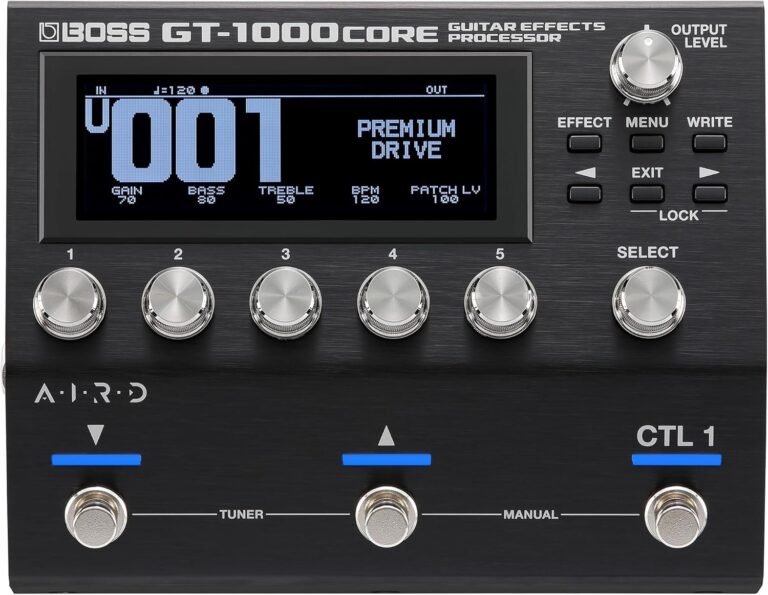
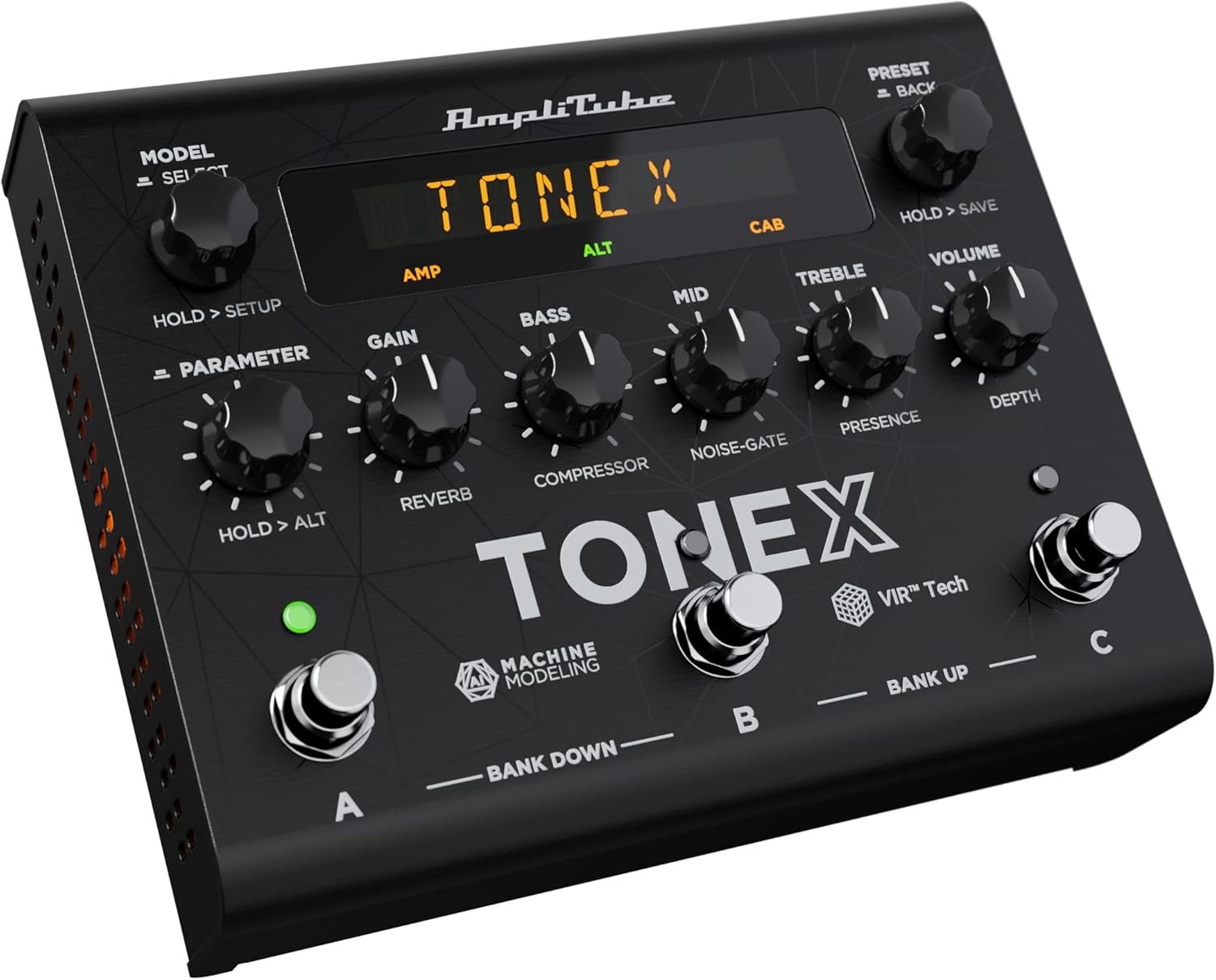
A flexible multi-effect guitar pedal allows musicians to organise and access a wide range of sounds more efficiently, making rehearsals smoother and more focused.
Reducing Setup Distractions
Every minute spent adjusting equipment during rehearsal is a minute not spent playing.
Most musicians have experienced situations where a creative moment is interrupted because someone is trying to fix a signal chain, reconnect a pedal or adjust settings.
While some technical adjustments are unavoidable, reducing unnecessary complexity can help maintain momentum.
Having amplifier models, effects processing, cabinet simulations and preset management available in one place can simplify preparation considerably.
The fewer obstacles between a player and their instrument, the easier it becomes to stay focused on the rehearsal itself.
Creating Sounds for Different Songs
One challenge for guitarists in bands is adapting to songs with different musical requirements.
A setlist may include a variety of styles and moods.
Some songs demand clarity and dynamics.
Others need sustain and aggression.
Certain arrangements benefit from spacious effects, while others work best with a more direct sound.
The ability to organise and store multiple sounds helps players move between these musical environments efficiently.
Instead of stopping to make major adjustments between songs, guitarists can focus on performing and listening.
That efficiency can make rehearsals feel more productive and enjoyable.
Supporting Better Communication Within the Band
Good rehearsals are built on communication.
Musicians listen to one another, respond to ideas and make collective decisions about arrangements.
A guitarist who can quickly adapt their sound is often better positioned to support these conversations.
Imagine a situation where the band decides a song needs a different energy.
Perhaps the arrangement feels too heavy.
Maybe the verses need more space.
Possibly the lead parts need greater presence.
Being able to explore alternative sounds quickly encourages experimentation and collaboration.
The conversation remains focused on musical choices rather than technical limitations.
Staying Organised as Your Repertoire Grows
Many bands gradually accumulate more material over time.
New originals are written.
Cover songs are added.
Older arrangements evolve.
As the repertoire grows, organisation becomes increasingly important.
Remembering which sounds work best for particular songs can quickly become challenging.
A modern modeling system that supports preset management can help musicians maintain consistency from one rehearsal to the next.
Instead of rebuilding sounds repeatedly, players can concentrate on refining performances and improving arrangements.
This becomes especially useful for bands preparing for performances, recordings or larger projects.
Practising Between Rehearsals
Band rehearsals are important, but much of the preparation happens beforehand.
Most musicians spend significantly more time practising individually than they do rehearsing together.
The ability to access rehearsal-ready sounds at home helps create continuity between solo practice and group sessions.
A guitarist can work on parts using tones that closely resemble those intended for rehearsal.
This familiarity often improves confidence and reduces surprises when playing with other musicians.
The transition from home practice to rehearsal becomes smoother and more natural.
Exploring New Arrangement Ideas
Rehearsals are not only about playing existing material.
They are also places where songs evolve.
A different guitar tone can completely change how a section feels.
A clean sound may create more space for vocals.
A driven tone can add energy to a chorus.
Ambient effects might transform a simple progression into something more atmospheric.
Having access to a wide range of sounds encourages these creative conversations.
Instead of imagining possibilities, bands can hear them immediately.
That direct feedback often leads to stronger musical decisions.
Preparing for Future Performances
Many rehearsals are ultimately preparation for live performance.
The sounds developed during practice often become the foundation for future gigs.
Consistency matters.
Players want confidence that the sounds they worked on during rehearsal will remain accessible when performance day arrives.
A versatile modeling pedal can support this process by allowing guitarists to organise tones, manage presets and develop repeatable setups.
The focus shifts from constantly rebuilding sounds to refining how those sounds serve the music.
Why Convenience Matters More Than Many Players Realise
Convenience isn’t always the most exciting topic in music, but it often has a bigger impact than people expect.
When equipment is easier to manage, musicians tend to spend more time playing.
When sounds are easier to access, experimentation becomes more common.
When preparation becomes simpler, rehearsals become more productive.
The ultimate goal is not convenience for its own sake.
The goal is creating more opportunities to make music.
Any tool that supports that objective naturally becomes valuable over time.
Keeping the Focus on the Music
Most musicians didn’t start playing guitar because they enjoyed organising cables or adjusting equipment.
They started because they enjoyed music.
The most useful tools are often the ones that quietly support that enjoyment without demanding constant attention.
A modern guitar rehearsal pedal fits into this philosophy by helping players access a wide range of amplifier, pedal and rig sounds while maintaining an organised approach to preparation.
The technology remains in the background.
The music stays at the centre.
Conclusion
Successful rehearsals are built on preparation, flexibility and the ability to adapt when ideas evolve. Guitarists often need a variety of sounds, reliable organisation and an efficient workflow to support both individual practice and group sessions.
A guitar rehearsal pedal can fit naturally into that process by making it easier to organise tones, experiment with arrangements and move between different musical situations. Whether you’re preparing for weekly rehearsals, developing original songs or getting ready for future performances, having a flexible collection of sounds available can help keep the focus where it belongs: on making music with other people.
Check It Out!