Chasing Prog‑Metal Tone at Home
Amazon Associate Disclaimer: As an Amazon Associate, we may earn from qualifying purchases. This comes at no extra cost to you and helps support our website.
Article:
Finding Your Sound in the Details
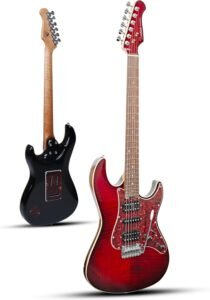
There’s a particular satisfaction in picking up a guitar that was shaped around someone else’s musical instincts and finding your own inside it. The Charvel Super-Stock SC1 Artist Signature Henrik Danhage carries that kind of history — built around the tone choices of a working prog-metal guitarist — but once it’s in your hands, it becomes a canvas for whatever you’re chasing that day.
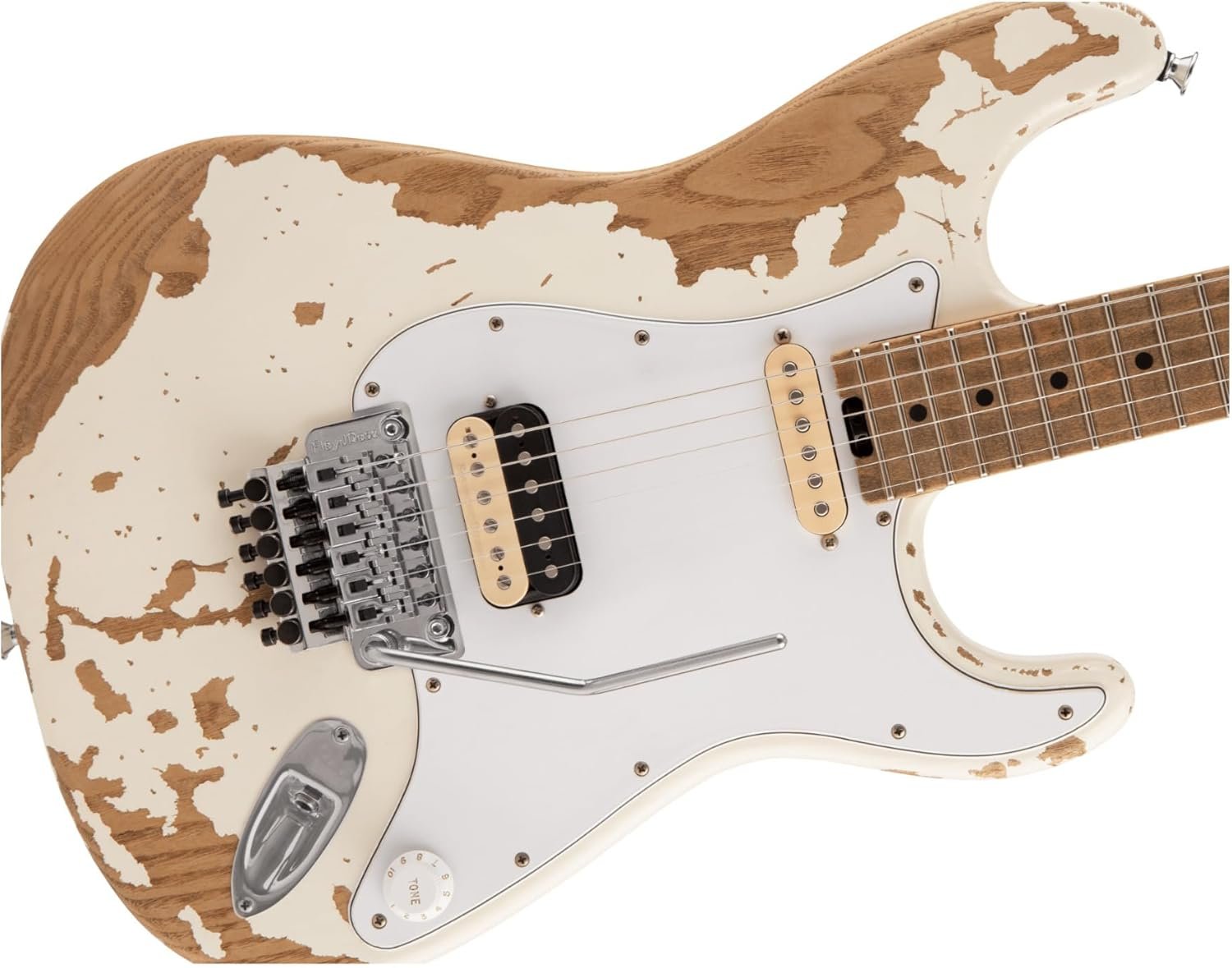
The white relic finish gives it a lived-in character right out of the case, the kind of look that doesn’t ask you to baby it. That matters more than people admit. A guitar that feels like it’s already been played hard invites you to actually play it hard, without hesitation about a scratch or a scuff. For anyone who practices daily or gigs regularly, that psychological permission to just dig in is worth something.
Two Pickups, Two Directions
The pairing of a Seymour Duncan JB in the bridge and a DiMarzio Area 67 in the neck sets up an interesting conversation between aggression and clarity. The JB is the kind of humbucker that pushes riffs forward with weight and bite — useful when you’re layering rhythm tracks or trying to cut through a dense mix during a rehearsal. Switch to the neck position and the Area 67 opens things up, offering a smoother, more articulate voice for leads or quieter passages where you want notes to breathe rather than punch.
That contrast becomes a tool for songwriting. Instead of reaching for a different guitar to shift mood mid-session, you can move between the two pickups and let the instrument itself suggest new directions. A riff that started aggressive in the bridge position might reveal a completely different melodic idea once you flip to the neck pickup and slow down.
Playability That Disappears
A bolt-on Speed neck paired with a compound-radius fretboard is designed to get out of your way. The idea behind a compound radius is that it flattens slightly as you move up the neck, which keeps chords comfortable near the nut while making bends and fast lead lines easier higher up. In practice, this means less adjustment in your hand position as you move around the fretboard, which can make longer practice sessions feel less fatiguing.
For players working through technical passages — sweep picking, extended solos, or intricate rhythm patterns common in prog-metal writing — that kind of consistency across the neck matters. You spend less mental energy compensating for the instrument and more energy on the music itself.
Stability Under Pressure
The Floyd Rose 1000 Series double-locking tremolo is built for players who use pitch as an expressive tool rather than an occasional effect. Dive bombs, subtle vibrato, aggressive whammy dips — all of it stays in tune because the system locks the strings at both the nut and the bridge. That reliability changes how freely you experiment. When you’re not worried about retuning after every dive, you’re more likely to actually explore those techniques during a writing session instead of avoiding them.
This also matters in a live or rehearsal setting, where retuning between songs eats into momentum. A tremolo system that holds its pitch through heavy use keeps the focus on performance rather than maintenance between takes.
Built for Repetition
Practice, at its core, is repetition — running the same phrase until it feels automatic. A dual-action truss rod and die-cast tuning machines are unglamorous details, but they’re the kind of hardware choices that keep a guitar reliable through hundreds of practice hours. Consistent tuning stability and a neck that holds its setup mean fewer interruptions to make small adjustments, and more time actually playing.
The reverse headstock, borrowed from Strat-style design, also affects string tension and tuning feel in a way some players find contributes to a more even response across the strings — something you notice most during extended technical practice rather than in a quick riff.
A Guitar for Different Moments
What stands out about an instrument like this is how it adapts across different musical situations. It can sit at the center of a home recording session, capturing layered rhythm parts through the bridge pickup before switching to something more melodic for an overdub. It can anchor a rehearsal, holding tune through a full set of aggressive dynamics. It can also just be the guitar you pick up in a quiet moment, working through new ideas without any real destination in mind.
The Super-Stock SC1 Henrik Danhage signature model doesn’t ask you to play a specific style. It offers a set of tools — pickup versatility, a tremolo built for expressive playing, and a neck designed for long stretches of comfortable technical work — and lets you decide how to use them, whether that’s in a bedroom practice space, a rehearsal room, or wherever your next riff happens to take shape.
Check It Out!