Invest in the UHF Wireless in-Ear Monitor System
Introduction to UHF Wireless IEM Systems
UHF wireless in-ear monitor systems, commonly referred to as IEM, are essential tools in the modern live sound environment. These systems allow audio professionals and performers to receive high-quality audio and monitor their sound discreetly without the encumbrance of traditional wired systems. UHF (Ultra High Frequency) technology facilitates wireless audio transmission over various frequencies, ensuring reduced interference and optimal sound clarity.
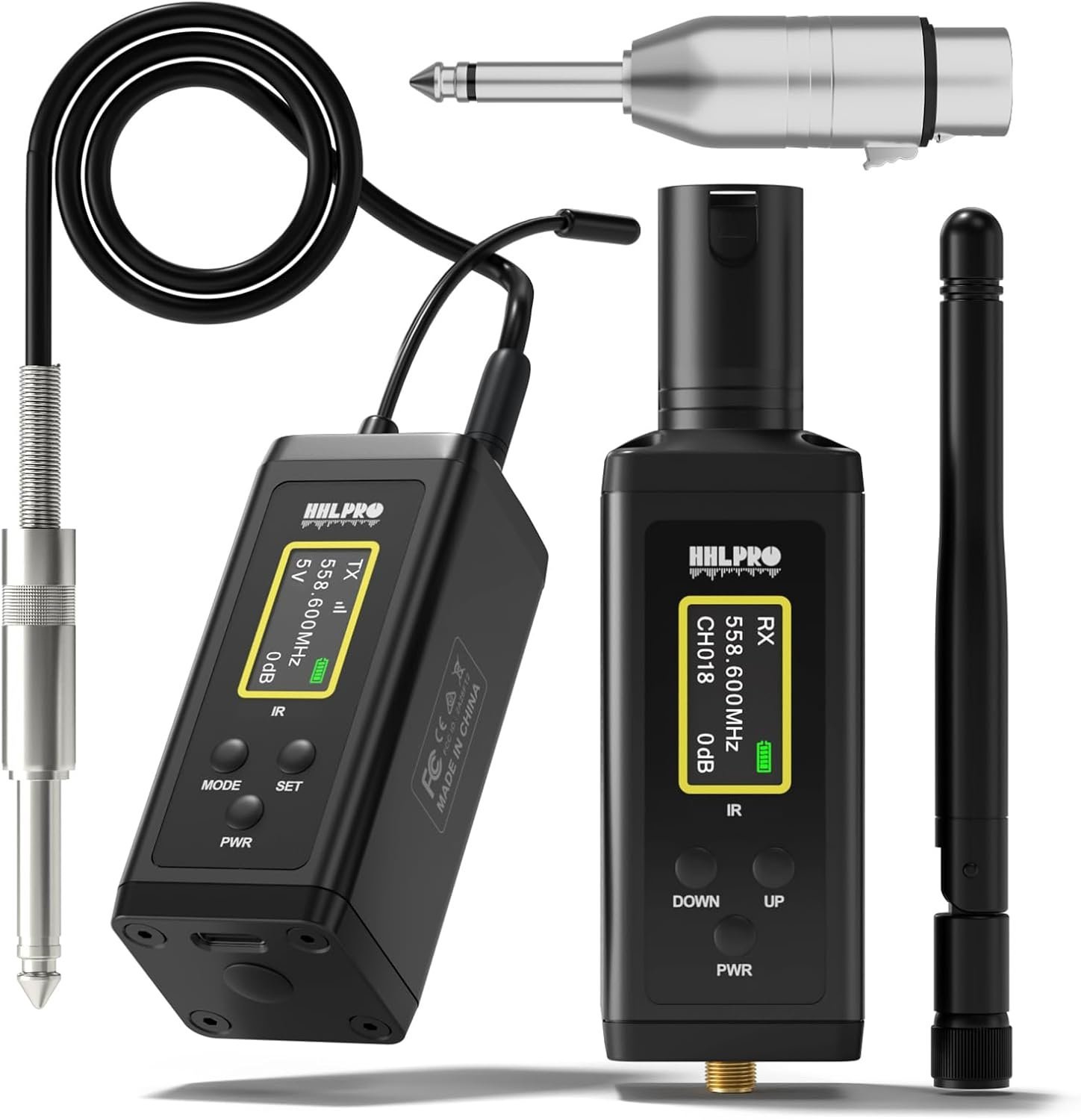
The primary components of a UHF wireless in-ear monitor system typically include a transmitter, a receiver, and in-ear headphones. The transmitter captures the audio signal from a mixing console or an audio source and transmits it through radio waves to the receiver, which is worn by the performer. This flexibility enables performers to move freely on stage while maintaining consistent audio quality.
One of the significant advantages of UHF wireless in-ear monitor systems is their ability to deliver a personalized mix of audio to each performer. This customization is particularly beneficial in enhancing performance, as artists can adjust what they hear in real time, allowing them to concentrate more on their craft. The systems are often equipped with features such as multiple frequency channels that help avoid signal interference during performances, making them a reliable choice for musicians and sound engineers alike.
Overall, UHF wireless in-ear monitor systems are invaluable for anyone involved in live performances, from musicians to presenters. Their effectiveness in providing clear audio while allowing mobility has revolutionized the way sound is experienced in various venues. As we explore the many benefits and features of a UHF wireless in-ear monitor system in the subsequent sections, it is clear that investing in such technology can profoundly enhance live performance quality and overall sound delivery.
Key Features of the UHF Wireless IEM System
The UHF wireless in-ear monitor system is designed to enhance live performances by providing musicians and performers with a reliable and high-quality audio experience. Among its standout features, the system boasts an impressive range of up to 260 feet, allowing for freedom of movement on stage without compromising audio quality. This extended reach is advantageous for performers who need to engage with their audience while maintaining a seamless audio connection.
Another critical aspect of the UHF wireless in-ear monitor system is its low latency capabilities. A latency of under 2 milliseconds ensures that performers hear the audio almost instantaneously, which is crucial for timing-dependent performances. Any delay can disrupt the performance, but with this system, musicians can execute their routines with confidence, knowing that they will not be caught off-guard by audio delays.
Additionally, the UHF wireless in-ear monitor system enables users to select from 26 different channels for frequency selection. This feature is particularly beneficial in environments where multiple wireless systems are in use, such as concerts or theater productions. By offering various channels, performers can avoid interference and ensure a clear signal is maintained throughout their set. Furthermore, the dual volume control allows both the performer and the sound engineer to fine-tune the audio levels effortlessly, enhancing individual listening preferences and ensuring that the mix suits the performance.
In summary, the UHF wireless in-ear monitor system is a powerful tool equipped with features designed to meet the needs of modern performers. Its range, low latency, channel selection, and volume controls work in tandem to provide a superior listening experience, facilitating dynamic and engaging live performances.
Advantages of Using an IEM System Over Traditional Monitors
In recent years, musicians and sound professionals have increasingly turned to the UHF wireless in-ear monitor system as a preferred choice over traditional stage monitors. One of the most significant advantages of using an IEM system is the freedom of movement it affords performers. Unlike conventional floor monitors, which can restrict mobility due to their fixed positions, in-ear monitors allow artists to move about the stage freely, enhancing their performance dynamic and connection with the audience.
Another notable benefit of an IEM system is the improvement in sound quality. In-ear monitors deliver a clearer and more precise audio experience by isolating the sound directly into the ear canal. This minimizes interference from ambient noise, allowing artists to hear themselves and their bandmates accurately. Such clarity is essential during live performances, where environmental factors can often compromise audio quality. The advanced technology used in UHF wireless systems further enhances this sound quality, providing a wide frequency response and low latency.
Additionally, the use of an IEM system helps to decrease overall stage volume. This reduction is crucial not only for the performers’ comfort but also for audience experience. A quieter stage environment results in less bleed into microphones, reducing feedback and enhancing the mix for both live and recorded performances. Moreover, utilizing an in-ear monitor system contributes to better hearing protection. By limiting exposure to high sound levels, musicians are less susceptible to the risk of hearing damage, a common concern in the music industry.
Overall, the advantages of switching to a UHF wireless in-ear monitor system are numerous, making it a wise investment for any professional seeking to improve their performance quality and protect their hearing.
Understanding Low Latency in Audio Systems
Low latency in audio systems is a critical consideration for performers, particularly those utilizing a UHF wireless in-ear monitor system. Latency refers to the delay between an audio signal being transmitted and the moment it is heard. In live performance scenarios, even a fraction of a second can significantly affect the overall experience for both the performer and the audience.
For musicians, low latency ensures that what they hear in their in-ear monitors simultaneously aligns with their actions. This synchronization is vital during live performances where timing is essential. A high latency can lead to a disjointed performance, as artists may find themselves reacting to sounds that arrive later than they are produced, resulting in a confusing interplay between audio output and live instrumentation.
Moreover, sound engineers and audio technicians play a crucial role in maintaining this low latency. When configuring a UHF wireless in-ear monitor system, they fine-tune the equipment to reduce latency to a minimal level, thereby providing real-time feedback to performers. This aspect enhances their confidence on stage, allowing them to focus on delivering an outstanding performance rather than worrying about timing discrepancies.
Low latency also facilitates better communication among band members, as they can hear each other’s signals immediately and respond accordingly. This characteristic is particularly beneficial when performing complex pieces or during improvisational segments where musicians need to be acutely aware of one another’s cues.
Overall, achieving low latency is crucial for maximizing the effectiveness of a UHF wireless in-ear monitor system, thus enriching the live performance experience. By enabling seamless audio synchronization, performers can elevate their craft and engage more profoundly with their audience, fostering a memorable concert atmosphere.
The Importance of Auto Pairing in IEMs
The integration of auto pairing technology within the UHF wireless in-ear monitor system cannot be overstated. This innovative feature greatly simplifies the initial setup process, allowing users to quickly connect their devices without the need for complicated manual configuration. For musicians and sound professionals, time is often of the essence, especially during live performances or events. Auto pairing streamlines the connection process, enabling performers to focus on their delivery and stage presence rather than troubleshooting technical issues.
Moreover, the implementation of auto pairing significantly reduces technical difficulties associated with wireless systems. Traditional methods require users to search for channels and frequencies manually, which can be prone to interference and connectivity problems. In contrast, an auto pairing system automatically detects available frequencies and establishes a connection. This reliability is particularly beneficial in dynamic environments where multiple wireless devices may be in use, reducing the chance of signal interference that could compromise audio quality.
The enhanced user experience provided by auto pairing is also an important consideration. Users of the UHF wireless in-ear monitor system can expect a more seamless interaction with their audio devices. With fewer steps required for setup and less room for error, performers can save valuable time and reduce anxiety related to potential sound issues. Whether it be a concert, theater production, or corporate event, having a dependable and efficient wireless in-ear monitor system is crucial for delivering an exceptional auditory experience. Therefore, understanding and leveraging the benefits of auto pairing technology is essential for anyone looking to enhance their audio performance and reliability.
Use Cases for the 260 ft Range IEM System
The UHF wireless in-ear monitor system demonstrates remarkable versatility across various performance environments. One of the primary use cases for this system is in live concerts, where musicians require clear audio feedback while being able to move freely on stage. The reliable connectivity over a 260 ft range ensures that performers can access their mixes without the hindrance of cables, allowing for greater artistic expression and movement.
In addition to music performances, the UHF wireless in-ear monitor system also finds its place in theater productions. Actors, musicians, and stage crew often rely on this technology to receive audio cues and sound effects directly in their ears, facilitating smoother transitions and improved overall performance. The clarity and sound quality of the UHF system can enhance the actors’ ability to hear director instructions, ensuring that every nuance of their performance is captured without the distraction of traditional monitoring methods.
Furthermore, public speaking events present yet another fitting application for the UHF wireless in-ear monitor system. Speakers can benefit from receiving real-time feedback or prompts, which can help them adjust their speech or pacing as needed. This technology provides an invaluable link between the speaker and their supporting team without compromising audience engagement, allowing for a seamless communication channel during presentations.
Lastly, rehearsal spaces can utilize the UHF wireless in-ear monitor system to provide performers with a practical means of practicing their routines without the constraints of wired systems. This capability not only improves practice sessions but also fosters a more immersive rehearsal environment, promoting collaboration and creativity among the cast and crew.
User Experience and Customer Reviews
The UHF wireless in-ear monitor system has garnered significant attention from musicians, audio engineers, and performers for its versatility and reliability. Users frequently commend the system’s sound quality, noting the crystal-clear audio that allows for effective communication during performances. Many professionals in the live music industry have highlighted how the wireless capabilities provide them with the freedom to move around the stage without compromising audio clarity.
Numerous reviews emphasize the ease of setup and operation, making it a favored choice among both seasoned professionals and newcomers alike. Users have reported that the UHF wireless in-ear monitor system offers an intuitive interface, facilitating quick adjustments to audio levels and presets. This feature significantly enhances user experience, allowing performers to focus on their act rather than technical glitches.
However, while the overall reception of the UHF wireless in-ear monitor system is overwhelmingly positive, some constructive feedback has surfaced. A few users have mentioned occasional connectivity issues in larger venues, requiring specific frequency adjustments. Additionally, there are remarks about the earpieces, where some users have expressed a preference for alternative ear tips for enhanced comfort during extended use. Regardless, the community of users remains committed to utilizing this system due to its numerous benefits and the robust support offered by the manufacturer.
In summary, the UHF wireless in-ear monitor system is highly praised for its sound quality, ease of use, and reliability, making it a valuable investment for those in the performing arts. The testimonials reflect a high level of satisfaction, and while there are some areas for improvement, the consensus favors its adoption in various audio scenarios.
Price Point and Value Consideration
The UHF wireless in-ear monitor system has emerged as a crucial tool for musicians and performers seeking reliable audio transmission. It is essential to evaluate its pricing in relation to the features and benefits offered, as well as how it compares to other similar products on the market. Generally, the pricing of this system varies depending on the brand, features, and technology integrated within the setup. Lower-end models can be found for around $100, while more advanced systems may cost upwards of $800.
While the initial cost may raise concerns for potential buyers, it is important to consider the value proposition that accompanies the UHF wireless in-ear monitor system. Users can expect improved sound clarity, reduced latency, and a significant enhancement in performance during live shows. This is particularly important for artists or technicians who prioritize sound quality and stability in various performance environments. Investing in a more expensive unit often pays off in durability and longevity, reducing the need for frequent replacements.
When comparing the UHF wireless in-ear monitor system to similar products on the market, the balance between price and features becomes evident. Many competitor systems lack the robust range and stability that UHF technology provides, which can lead to dropouts and interference during use. The opportunity to operate without the confines of cables, alongside clear audio transmission, can justify a higher price point in the eyes of users. Furthermore, considering the potential for increased professionalism and enhanced audience experience, the cost of a UHF wireless in-ear monitor system may very well be an investment worth making.
Conclusion and Final Thoughts
The UHF wireless in-ear monitor system represents a significant advancement in audio monitoring technology, tailored for professionals and enthusiasts alike. As we have explored throughout this discussion, this system offers a multitude of benefits that enhance live performance and audio production. The hallmark of this technology is its ability to deliver high-quality sound while providing the freedom of movement that performers need.
One of the standout features of the UHF wireless in-ear monitor system is its superior audio clarity and reliability. With a wide frequency response and minimal latency, users can experience sound that is both crisp and true to the original source, allowing for an immersive experience that is crucial during live performances. Additionally, the ability to operate in crowded RF environments without interference ensures that artists can focus on their performance, rather than worrying about audio issues.
Furthermore, the comfort and customizable fit of the in-ear monitors play a vital role in achieving an optimal listening experience. By providing a range of tips and designs, users can select an option that best fits their unique ear shape, promoting comfort during long sessions. This comfort translates into a heightened performance quality, as artists are more capable of fully engaging with their audience.
With easy setup and flexibility in terms of channel options, the UHF wireless in-ear monitor system is designed to suit different venues and performance needs seamlessly. Investing in such a system is not just a choice; it is an enhancement that promises to elevate any audio experience. As audio technology continues to evolve, prioritizing a UHF wireless in-ear monitor system will undoubtedly yield benefits for every performer and technician alike. We encourage you to consider making this investment to significantly improve your performances and audio quality.
Check It Out!