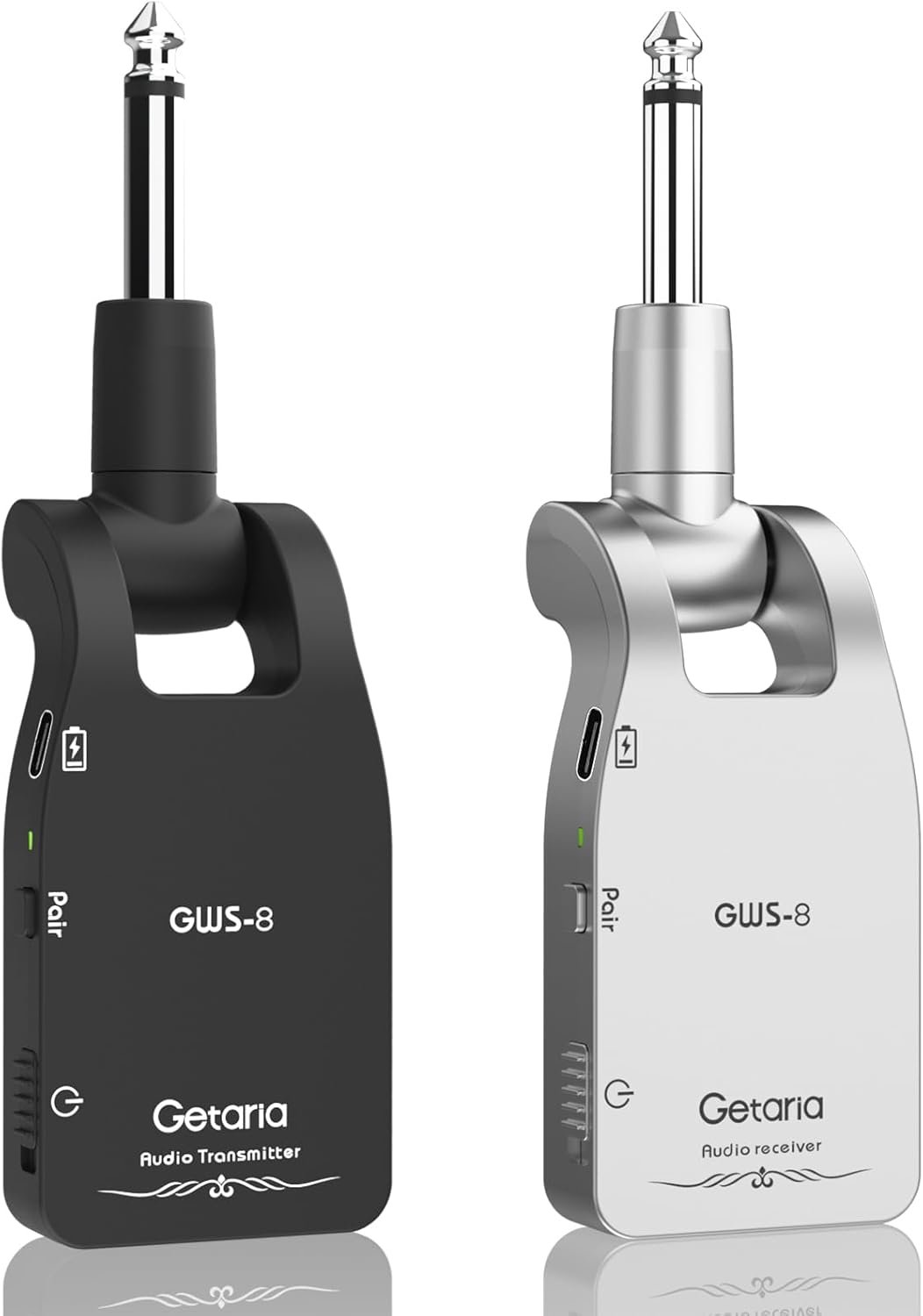
Upgrade Your Sound: 2.4GHz Wireless Guitar System
Introduction to Wireless Guitar Systems
Wireless guitar systems represent a significant advancement in the realm of music technology, offering a multitude of advantages when compared to traditional wired setups. These systems allow guitarists to perform without the constraints commonly associated with cables, providing unparalleled freedom of movement during performances. Musicians can now engage more dynamically with their audience, enhance their stage presence, and explore a wider range of motion without the risk of tripping over or tangling wires.
One of the primary benefits of utilizing a 2.4GHz wireless guitar system is the convenience it affords. Musicians no longer need to contend with the hassle of managing long cables, which not only simplifies setup but also reduces the time and effort required for equipment management. Furthermore, the 2.4GHz frequency band is widely recognized for its reliability and performance capabilities, making it an excellent choice for electric guitar players. This frequency is less prone to interference from external devices and obstacles, ensuring consistent sound quality and stability during performances.
Additionally, wireless guitar systems tend to offer improved sound quality. Unlike traditional wired systems, which may experience degradation due to cable length or poor connections, the digital transmission offered by these modern systems helps preserve the integrity of the audio signal. Musicians can enjoy clearer, more vibrant sounds, which are essential for delivering high-quality performances. The shift towards wireless technology not only enhances technical performance but also aligns with the evolving preferences of modern musicians who seek efficiency and ease-of-use in their setups.
Overall, the transition towards a 2.4GHz wireless guitar system encompasses numerous advantages that cater to the needs of contemporary guitarists, promoting both artistic expression and technical excellence on stage.
Key Features of the 2.4GHz Wireless Guitar System
The 2.4GHz wireless guitar system has revolutionized the way musicians connect their instruments to amplifiers and effects units, delivering exceptional performance and convenience. One of the most notable features is the built-in rechargeable lithium battery, which provides extended playing time without the need for constant battery replacements. This capability allows guitarists to focus on their performance rather than worrying about power supply issues, enhancing overall confidence on stage or during practice sessions.
Another significant aspect of this system is its impressive range. Operating in the 2.4GHz frequency band, the system can transmit signals over distances of up to 100 feet (30 meters), depending on environmental conditions. This freedom from cables allows players to move around without losing sound quality or connection stability. Whether during live performances or jam sessions, musicians can engage more freely with their audience and bandmates, which contributes to a more dynamic and enjoyable experience.
Sound quality is paramount for any wireless system, and the 2.4GHz wireless guitar system excels in this area as well. Many models offer advanced digital audio processing, ensuring clean, high-fidelity sound transmission that captures the nuances of a musician’s playing style. The minimal latency typically associated with traditional wireless systems has been greatly reduced, making it nearly indistinguishable from wired connections. This enhancement means that players can enjoy a seamless performance whether they are soloing or jamming with others.
Additionally, ease of use is a hallmark of the 2.4GHz wireless guitar system. With simple plug-and-play functionality, musicians can quickly set up the system without complex configurations or lengthy installation processes. Many systems also feature LED indicators for battery life and connection status, further simplifying the user experience. Overall, these key features of the 2.4GHz wireless guitar system significantly enhance the playing experience, leading to better performances and greater artistic expression.
Comparing Wired vs Wireless Guitar Setups
When evaluating guitar setups, musicians often face the choice between traditional wired configurations and modern 2.4GHz wireless guitar systems. Each option has its own advantages and disadvantages that can greatly influence a player’s experience. Wired guitar setups are the traditional standard, offering a straightforward connection from the instrument to an amplifier or effects pedals. However, these systems come with limitations. One of the most significant drawbacks is the inconvenience posed by cables. Musicians frequently encounter tangled wires, which can limit mobility on stage or during practice sessions.
Limited reach can also pose issues, particularly for performing artists who may wish to move freely. This constraint can inhibit expressiveness and affect performance quality. Additionally, the physical connection of cables can lead to wear and tear, resulting in potential audio signal degradation. On the contrary, 2.4GHz wireless guitar systems offer unmatched freedom. These systems eliminate the need for cables, allowing guitarists to move unhindered across the stage.
Wireless systems make use of radio frequency technology, ensuring a clear and stable audio connection while maintaining sound quality. The advantages extend to increased performance possibilities: no more worrying about tripping over cables or getting tied up mid-solo. Furthermore, many wireless setups are designed with low latency, meaning that the audio signal transmission occurs almost instantly, preserving the musicians’ timing and expression.
Despite the benefits of wireless technology, it is important to note that they can be susceptible to interference. However, high-quality 2.4GHz wireless guitar systems are designed to minimize these issues, making them reliable choices for both live performances and recording sessions. While both setups have their pros and cons, the advantages of wireless systems tend to appeal to a growing number of modern musicians.
Benefits of a Built-In Battery System
The integration of a built-in battery system in a 2.4GHz wireless guitar system has become a hallmark of modern musical equipment, offering numerous advantages that contribute to both convenience and performance. One of the most significant benefits is the long-lasting battery life these rechargeable lithium batteries provide. Unlike traditional setups, which typically rely on disposable batteries, a built-in battery is designed to endure extended play sessions, allowing guitarists to focus on their music without the interruption of battery replacements.
Moreover, the rapid charging capabilities of these systems are noteworthy. Most built-in batteries offer quick recharge times, allowing musicians to recharge their systems between practices or gigs. This feature mitigates the downtime associated with lengthy charging cycles found in some devices, ensuring that performers remain at the ready. Musicians can take advantage of these fast-charging batteries, knowing that their 2.4GHz wireless guitar system will be performance-ready in minimal time, thus enhancing their practice and live performance schedules.
The elimination of the need for constant battery replacements also contributes substantially to the user experience. Guitarists can save both money and the inconvenience of frequent trips to purchase new batteries. By utilizing a rechargeable system, musicians not only reduce their carbon footprint but can also enjoy a more streamlined setup on stage or in the studio. This accessibility empowers guitarists to experiment with their sound without worrying about their power source. In summary, the integration of a built-in battery system in wireless guitar technology enhances convenience, promotes sustainability, and ultimately enriches the musicians’ overall experience.
Setting Up Your Wireless Guitar System
Setting up your new 2.4GHz wireless guitar system can significantly enhance your performance and provide you with the freedom to move around without the constraints of cables. To begin, ensure you have all components ready: the transmitter, receiver, and, of course, your guitar. Start by connecting the transmitter to your guitar; this usually involves plugging the transmitter into the guitar’s output jack. Make sure that the transmitter is mounted securely and powered on.
Next, set up the receiver. Your 2.4GHz wireless guitar system receiver needs to be connected to your amplifier or sound system. Generally, this connection is made using a standard audio cable plugged into the output jack of the receiver. Place the receiver at a location where it can easily receive signals from the transmitter, ideally within a direct line of sight. This will maximize the effectiveness and range of the wireless system.
Once both components are connected, it is crucial to select an optimal operating channel. Many wireless guitar systems automatically choose the best channel, but it’s advisable to verify and adjust it if needed. For instance, many models allow you to scan for available frequencies to avoid interference, particularly if there are multiple devices in the vicinity.
After configuring the settings, test the setup by playing your guitar. Listen for sound clarity and ensure there are no dropouts or signal loss. If issues arise, consider checking the battery levels of both the transmitter and receiver, as weakened batteries can lead to diminished performance. Additionally, positioning the receiver and avoiding obstructions between the transmitter and receiver can help improve your wireless experience. By following these steps, you will maximize the capabilities of your 2.4GHz wireless guitar system and enjoy a seamless playing experience.
User Experiences and Testimonials
Many musicians, spanning a variety of genres, have had the opportunity to experience the functionalities of a 2.4GHz wireless guitar system. Feedback has been overwhelmingly positive, with users highlighting both the convenience and sound quality that these systems offer. One guitarist noted, “Switching to a 2.4GHz wireless system transformed my live performances. The freedom to move around without being tethered to an amp has made each show even more enjoyable.” This sentiment is echoed by numerous artists who appreciate the enhanced mobility during their performances.
Another key observation from users is the remarkably low latency associated with this wireless technology. A lead guitarist from a popular band mentioned, “I was sceptical about wireless systems due to previous experiences with delays. However, the 2.4GHz technology provided an almost instantaneous response, allowing me to perform intricate solos effortlessly.” Such testimonials underscore the effectiveness of modern wireless guitar systems in addressing one of the primary concerns for musicians regarding latency.
Users are also impressed with the sound quality and reliability of the system. A studio musician reported, “The clarity of sound produced by the 2.4GHz wireless guitar system is astonishing. I couldn’t believe I could achieve such high fidelity without any cables.” This has led many artists to incorporate wireless systems not only for live performances but also for studio recordings, facilitating a more dynamic creative process.
Finally, the ease of setup and user-friendly interface is frequently commended. Many users have described the plug-and-play functionality as a significant advantage, enabling them to focus on their music instead of technical complexities. Collectively, these experiences illustrate that investing in a 2.4GHz wireless guitar system can enhance performance and create a more enjoyable experience for musicians.
Performance Insights: Songs for Testing Your Setup
When it comes to evaluating the performance of your 2.4GHz wireless guitar system, selecting the right songs can make a significant difference in how well you assess its capabilities. A versatile mix of genres and styles will help you determine the sound quality, tonal clarity, and range offered by the wireless system. Below are some song recommendations that cater to different aspects of performance testing.
Start with rock classics, such as “Smoke on the Water” by Deep Purple or “Back in Black” by AC/DC. These tracks are excellent for testing the dynamics of the wireless setup, as they feature powerful riffs and lead guitar sections that demand clarity and volume. Pay attention to how well your sound remains intact as you move around the stage or room. A good 2.4GHz wireless guitar system should maintain consistent quality without latency.
Next, consider acoustic numbers like “Blackbird” by The Beatles or “Fast Car” by Tracy Chapman. These songs are beneficial for examining the nuances of the sound. Playing them through a wireless system will help ascertain if there are any tonal drop-offs or distortions in a clean setting. They allow musicians to focus on the subtleties of fingerpicking, which is vital in assessing tonal fidelity.
For testing responsiveness, tracks from genres such as jazz or blues, like “All Blues” by Miles Davis or “Sweet Home Chicago” by Robert Johnson, are advantageous. These pieces often require expressive bends and slides, making it crucial to check how well the wireless system delivers these nuances across its range.
In conclusion, utilizing a diverse set of songs can greatly enhance your evaluation of a 2.4GHz wireless guitar system. By actively engaging with different styles, you can better understand the product’s strengths and limitations, paving the way for a more informed musical experience.
Tips for Maintenance and Longevity
To ensure the longevity of your 2.4GHz wireless guitar system, regular maintenance is crucial. Proper care not only extends the life of the equipment but also enhances performance during live sessions and recordings. One of the first steps in maintaining your wireless guitar system is to store it correctly when not in use. Ideally, it should be kept in a protective case or bag to shield it from physical damage and environmental factors such as humidity and temperature fluctuations. Consider investing in a hard case for both the transmitter and receiver to prevent accidental drops or impacts.
Battery maintenance is another vital aspect of ensuring the durability of your 2.4GHz wireless guitar system. Always use high-quality batteries recommended by the manufacturer, as subpar batteries may lead to inconsistent performance or even damage to the unit. Furthermore, it is advisable to remove the batteries if the system will not be used for an extended period. This practice helps prevent battery leakage, which could corrode the contacts. Additionally, checking battery levels before performances or practice sessions will help avoid unexpected interruptions.
Routine checks of the system components are also important. Regularly inspect the transmitter and receiver for any signs of wear, including frayed cables or damaged connectors. Clean the connectors using a dry cloth or a specialized electronic cleaner to ensure excellent signal transmission. It is wise to familiarize yourself with the troubleshooting guidelines provided by the manufacturer to address minor issues before they escalate. By following these maintenance tips, you will establish a strong connection between yourself and your 2.4GHz wireless guitar system, ensuring it remains a reliable part of your musical journey for years to come.
Final Thoughts: Is It Time to Upgrade?
As we delve into the world of musical performance, the choice of equipment plays a pivotal role in the overall experience. For electric guitar players, the selection of a reliable and high-quality wireless system can significantly enhance both performance and convenience. Throughout this discussion, we have examined the advantages of a 2.4GHz wireless guitar system and how it can address common challenges faced by guitarists.
The reliability of a 2.4GHz system in delivering clear and uninterrupted sound is unmatched, allowing musicians to perform freely without the constraints of cables. The ease of setup and the capability to traverse larger performance spaces independently add considerable value. Furthermore, with advancements in technology, many leading brands now offer wireless guitar setups that boast impressive audio fidelity, minimal latency, and user-friendly features.
It is essential for players to reflect on their current setups and determine whether they align with their performance needs. If one frequently encounters issues such as tangled cables or limited mobility, upgrading to a 2.4GHz wireless guitar system could prove to be a transformative experience. The investment is not solely in the equipment but in a more dynamic performance that allows for greater artistic expression.
Ultimately, the decision to upgrade hinges on personal preferences and performance requirements. For those seeking greater freedom, enhanced sound quality, and easier handling during gigs or practice sessions, embracing a wireless system may be a worthwhile choice. As the music scene evolves, ensuring that one possesses the right tools to refine their sound becomes increasingly vital. By considering the shift to a 2.4GHz wireless guitar system, musicians could unlock new creative avenues and elevate their musical journeys.