Elevate Your Sound with KMise USB Audio Interface
Introduction
The KMise USB Audio Interface represents a significant advancement in the realm of audio recording technology. Designed with versatility in mind, this audio interface offers essential features that elevate the sound quality for various applications, making it an ideal choice for guitarists, vocalists, and podcasters alike. One of its standout features is the 48V phantom power, which provides the necessary voltage for condenser microphones, ensuring clear and professional-grade audio capture.
In an age where high-quality audio is critical for content creation, the KMise USB Audio Interface stands out as a reliable tool. It enables users to record studio-quality sound, contributing to the overall presentation of their work. Whether one is laying down tracks for music, capturing dialogues for podcasts, or providing vocal performances, having an efficient audio interface can drastically improve the end product.
The KMise USB Audio Interface is equipped with intuitive controls that allow users to manage gain and volume levels easily, making it accessible for beginners while still offering the capabilities that seasoned professionals may require. Its compatibility with multiple operating systems ensures that musicians and content creators can integrate it seamlessly into their existing setups, allowing for a user-friendly experience.
Moreover, the portability of the KMise audio interface makes it an excellent choice for on-the-go recordings, whether in a studio environment or a home setup. High-quality audio is not merely a luxury; it is a fundamental component that can distinguish amateur recordings from polished, professional work. Therefore, investing in a quality audio interface like the KMise is crucial for anyone serious about their sound.
What is a USB Audio Interface?
A USB audio interface is a pivotal device in the realm of digital audio production, serving as a crucial link between microphones, musical instruments, and a computer. It converts analog signals from sound sources into digital format, facilitating the recording process in a manner that built-in computer audio systems cannot match. The KMise USB audio interface, for instance, offers notable advantages such as enhanced sound quality and improved recording fidelity, making it an essential tool for musicians and audio engineers alike.
In essence, a USB audio interface allows users to connect various audio sources directly to their computers via USB ports, creating a streamlined workflow for capturing high-quality sound. Unlike conventional built-in audio solutions, a USB interface is explicitly designed for recording, providing much lower latency and a more profound audio resolution. This is particularly beneficial when working with multiple audio tracks or needing to ensure synchronization during the mixing process.
The benefits of using a dedicated USB audio interface over a computer’s built-in sound card extend beyond just audio quality. USB audio interfaces like those offered by KMise often come equipped with preamps, which amplify microphone signals without introducing unwanted noise, a common issue that can occur with standard computer audio inputs. Furthermore, many USB interfaces come with direct monitoring capabilities, allowing musicians to hear their performance in real-time without the delay that can disrupt timing and creativity.
Ultimately, incorporating a USB audio interface into a digital audio setup not only enhances the sound quality but also provides more control over the recording environment, making it an invaluable asset for both novice and experienced audio professionals.
Key Features of KMise USB Audio Interface
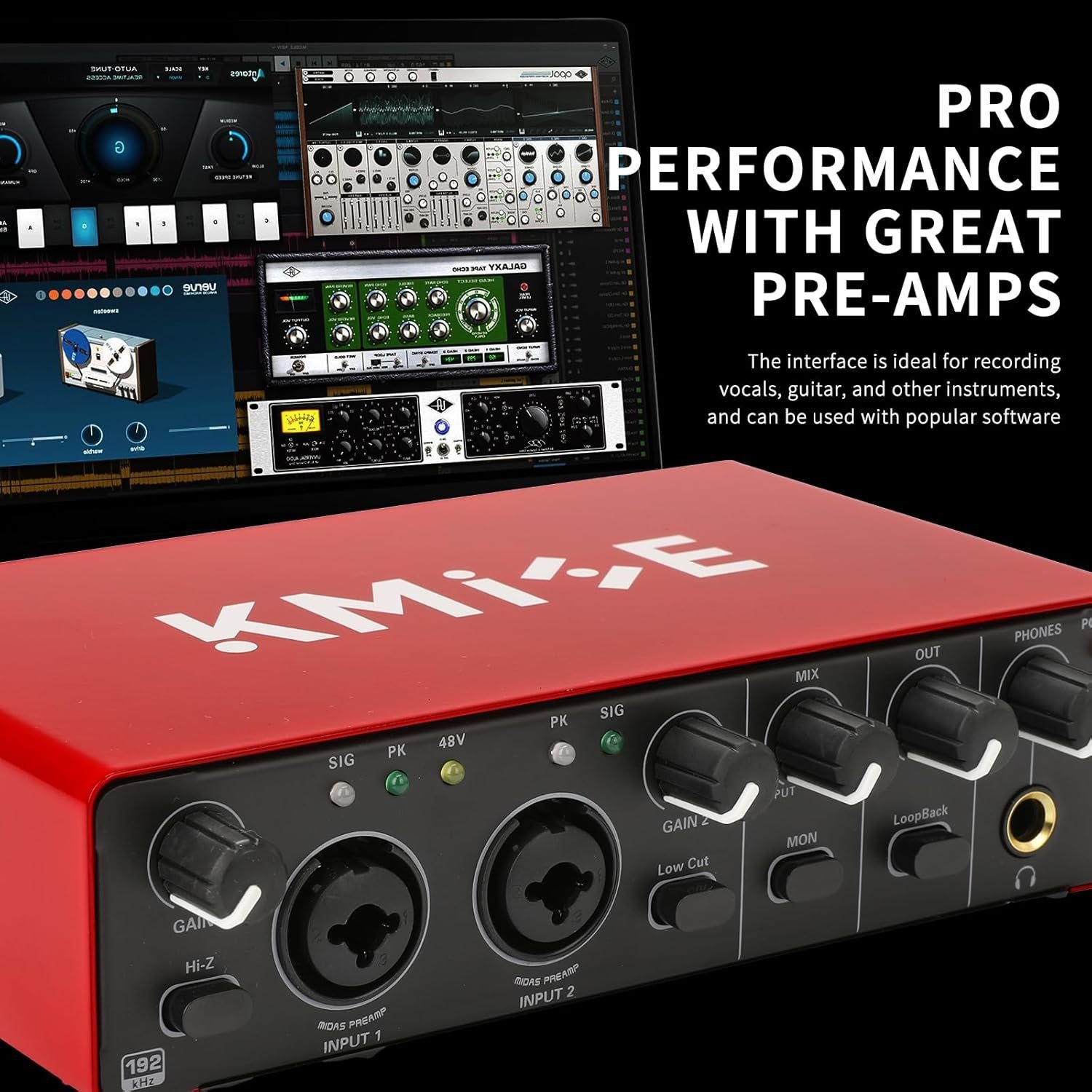
The KMise USB Audio Interface is designed to meet the diverse needs of various audio professionals and enthusiasts. One of its standout features is the 48V phantom power, which is essential for powering condenser microphones. This capability makes the KMise interface particularly appealing for musicians and vocal artists who require high-quality recording standards. With the ability to provide phantom power, users can ensure that their microphones operate effectively, resulting in clear and crisp audio capture.
Another prominent feature is the exceptional sound quality that the KMise USB Audio Interface offers. Equipped with high-performance analog-to-digital converters, this device ensures that your recordings maintain full dynamic range and clarity. Musicians, podcasters, and home studio owners alike benefit from this feature, as it allows for professional-grade sound without the need for expensive additional equipment. The high fidelity achieved through the KMise interface can significantly enhance the overall production quality.
The interface boasts multiple input and output options, which include XLR and TRS connections, providing users with flexibility when connecting various instruments and audio devices. This versatility appeals to a broad range of audio users, from solo musicians requiring a simple setup to full bands that need multiple inputs simultaneously. Furthermore, the USB 3.0 connectivity allows for quick and reliable data transfer, minimizing latency and ensuring a seamless recording experience. This feature is particularly beneficial for live performances and real-time audio processing, making the KMise USB Audio Interface an excellent choice for both new and seasoned audio professionals.
Why is Phantom Power Important?
Phantom power is a crucial aspect of audio engineering that plays a significant role in the performance of condenser microphones. Unlike dynamic microphones, which do not require an external power source, condenser microphones utilize electronic circuitry to capture sound. This circuitry necessitates a power source to function effectively, and this is where phantom power comes into play. Typically, phantom power operates at 48 volts and is supplied through the same XLR cable that carries the audio signal.
The KMise USB audio interface is designed to provide phantom power, ensuring that condenser microphones can operate at their full potential. This functionality is essential for capturing studio-quality sound because it allows the microphone to pick up broader frequency ranges and finer details these audio devices offer. With the right amount of phantom power supplied through the KMise interface, users can achieve a pristine audio recording, whether in a home studio or a professional setting.
Having access to phantom power means that audio engineers can utilize a wider array of microphones without compromise. For instance, many quality studio condenser mics require this power to properly activate their diaphragm and other internal components. Without it, the performance may be limited, leading to decreased audio fidelity and richness in recordings. The KMise USB audio interface not only supplies reliable phantom power but also ensures stable, clean audio transmission to your recording software.
In summary, the inclusion of phantom power functionality in devices like the KMise USB audio interface significantly enhances the usability of condenser microphones. By facilitating higher-quality audio capture, it empowers users to elevate their sound and achieve professional-grade recordings.
Setting Up the KMise USB Audio Interface
Setting up the KMise USB Audio Interface is a straightforward process that can significantly enhance your audio experience. Here are the steps you need to follow to ensure a successful installation and configuration.
First, begin by unboxing your KMise USB Audio Interface and identifying all the components included in the package. You should find the audio interface itself, a USB cable, and possibly some documentation. Start by connecting the interface to your computer using the provided USB cable. Make sure to plug it into a USB port that is functioning correctly.
Once connected, your computer should automatically recognize the KMise USB Audio Interface. However, depending on your operating system, you might need to install drivers to ensure optimal performance. Visit the official KMise website to download the latest drivers specific to your audio interface model. Follow the on-screen instructions during installation to complete the process.
After the driver installation is complete, you can configure the audio settings on your computer. If you are using Windows, navigate to the Control Panel, then to Sound Settings. Here, you will find options to select the KMise USB Audio Interface as your default playback and recording device. For Mac users, go to System Preferences, then to Sound, where you can select the KMise interface accordingly.
To ensure high-quality audio output, consider adjusting the sample rate and bit depth in your audio settings, aligning these configurations with the specifications of your KMise USB Audio Interface. Additionally, test the device by plugging in a set of headphones or speakers and playing audio to verify connectivity and sound quality.
In conclusion, setting up your KMise USB Audio Interface requires proper connection to your computer, driver installation, and audio settings configuration. By following these steps, you can maximize the performance of your audio interface, elevating your overall sound experience.
Performance and Sound Quality
The KMise USB Audio Interface is designed to deliver high-fidelity audio, which is essential for both amateur and professional recording environments. With a sample rate of up to 192kHz and 24-bit resolution, this audio interface ensures that every nuance of sound is captured accurately. Users have reported a remarkable improvement in their recording quality when switching to the KMise, highlighting its ability to reproduce sound with clarity and depth.
Latencies are often a primary concern for musicians and sound engineers, particularly when recording live instruments or vocals. The KMise USB Audio Interface addresses this issue effectively, with a low latency performance that minimizes delay during monitoring. Many users have noted that they can monitor their recordings in real-time without perceivable lag, which significantly enhances the recording experience. This characteristic is crucial for maintaining timing and pitch integrity during playback.
In various recording scenarios, from home studios to professional setups, the KMise audio interface proves versatile and reliable. It is equipped with multiple inputs and outputs, allowing for flexible configurations based on the needs of the user. Testimonials from satisfied customers reveal that the KMise USB Audio Interface stands out against competitors in its price range, offering features that are often associated with more expensive models. Users frequently compare it to other leading brands, noting that the KMise not only meets their sound quality expectations but often exceeds them.
With its blend of performance, low latency, and sound fidelity, the KMise USB Audio Interface emerges as a favored choice among audio professionals looking to elevate their sound quality and overall recording capabilities. It successfully balances innovation and affordability, proving to be a strong contender in the audio interface market.
Who Can Benefit from This Interface?
The KMise USB audio interface serves a variety of users, each with unique needs that this device fulfills effectively. Musicians greatly benefit from utilizing the KMise audio interface in studio or home recording settings. The interface provides high-quality audio conversion, ensuring that recorded sounds retain their fidelity and richness. Musicians can easily connect instruments, microphones, and various audio equipment via USB, which simplifies the process of recording and mixing. The low latency performance enhances the musicians’ ability to monitor their sessions in real-time, thereby facilitating a smoother workflow during the creative process.
Another significant user group includes podcasters. A well-produced podcast requires clear and balanced audio for engaging content delivery. The KMise USB audio interface offers multiple inputs and outputs, allowing podcasters to connect various microphones and recording devices with ease. Many podcasters also require quick accessibility to audio interfaces that support a high sample rate. This ensures that sound is crisp and clear, which is essential for audience retention. Furthermore, the portability of the KMise USB audio interface makes it easy for podcasters to record on location, maintaining flexibility in their content creation.
Content creators, especially those engaged in video production, are yet another demographic that can leverage the KMise USB audio interface. As video content becomes more ubiquitous across platforms like YouTube and social media, the importance of high-quality audio cannot be overstated. This audio interface aids videographers in synchronizing audio with video easily, eliminating the need for extensive post-production work. Whether it is for live streaming, tutorials, or vlogs, this interface enables content creators to produce professional-sounding audio that enhances overall viewer experience.
Comparing KMise with Other Audio Interfaces
The KMise USB audio interface has gained attention among both professionals and amateurs for its competitive pricing and impressive features. When evaluating the KMise USB audio interface, it is essential to compare it with alternative products on the market, such as the Focusrite Scarlett series and the PreSonus AudioBox USB. Each of these audio interfaces offers distinct advantages and drawbacks.
Starting with the KMise USB audio interface, users often praise its ease of use and affordability. Typically retailing at a lower price point compared to its counterparts, the KMise model makes high-quality sound accessible to a broader audience. It features multiple inputs and outputs, allowing for versatile recording options. Additionally, its compact design makes it suitable for those working in smaller spaces or on-the-go setups.
In contrast, the Focusrite Scarlett series, known for its exceptional preamps, tends to be priced higher, reflecting its premium quality. Users report clearer audio and lower latency with the Scarlett interfaces, making them a popular choice for professional studios. However, this comes at a cost, which might not be justifiable for hobbyists or entry-level users.
Meanwhile, the PreSonus AudioBox USB offers a middle ground between KMise and Focusrite. While it is slightly more expensive than the KMise USB audio interface, users appreciate its good build quality and intuitive software integration. However, reviews indicate that its performance does not significantly surpass that of KMise, especially considering the price disparity.
Overall, while the KMise USB audio interface may not have the same brand recognition as Focusrite or PreSonus, it holds its own in the budget-friendly segment of the market. The combination of affordability, features, and satisfactory user reviews places the KMise USB audio interface as a commendable option for anyone looking to elevate their sound without breaking the bank.
Conclusion and Call to Action
In the competitive landscape of audio interfaces, the KMise USB audio interface stands out as a valuable addition for both amateur and professional audio enthusiasts. This exceptional device has been designed to cater to various audio needs, offering superior sound quality, ease of use, and versatile compatibility with a range of devices. Its robust features, including high-resolution audio processing and low latency performance, facilitate a seamless creative workflow, making it ideal for musicians, podcasters, and content creators alike.
Moreover, the KMise USB audio interface is user-friendly, enabling even those with minimal technical knowledge to start recording high-quality audio quickly. The installation process is straightforward, and its compact design makes it easy to integrate into any setup, whether at home or on the go. Users have also praised its durability, ensuring that it can withstand the rigors of regular use.
Considering all these factors, investing in a KMise USB audio interface not only enhances your sound significantly but also elevates your overall audio production experience. As you contemplate optimizing your audio quality, the KMise USB audio interface presents an attractive solution that combines functionality and affordability.
To harness the full potential of your audio projects and achieve a professional sound, explore the KMise USB audio interface further. Take the step towards upgrading your audio production capabilities; visit our website or your nearest retailer today to make your purchase. The opportunity to elevate your sound is just a click away—don’t miss out!
Check It Out!