Explore the UHF Wireless Guitar System
Introduction to Wireless Guitar Systems
Wireless guitar systems have transformed how musicians perform, providing an alternative to traditional wired setups that can often be cumbersome and restrictive. One of the primary advantages of these systems is the freedom of movement they afford musicians. With a UHF wireless guitar system, players can roam the stage or practice space, unencumbered by the limitations of a cable. This mobility not only enhances the performance experience but also allows for more dynamic stage presence, thereby engaging the audience in unique ways.
Beyond the physical freedom, wireless guitar systems eliminate the hassle of tangled cords and the potential for damage associated with them. A reliable UHF wireless guitar system conveys audio signals without the connectivity issues that might plague wired setups. By utilizing radio frequencies, these systems offer a more stable connection over longer distances, facilitating seamless performances. Moreover, modern wireless systems are designed to coexist with various devices in the same frequency range without interference, ensuring that musicians can focus solely on their performance rather than technical concerns.
In addition to convenience and performance benefits, wireless guitar systems are increasingly appreciated for their ability to deliver high-quality sound. Advancements in technology mean that UHF wireless guitar systems can now provide a sound quality that rivals or even exceeds traditional wired connections. This is particularly essential for professionals looking to maintain the integrity of their sound throughout a performance. Musicians of all skill levels can benefit from this sophisticated technology, as it not only enhances their performance but also allows for greater creativity and expression. Thus, exploring the world of wireless guitar systems opens up new avenues for musicians seeking to elevate their craft.
Key Features of the UHF Wireless Guitar System
The UHF wireless guitar system is engineered to deliver exceptional performance and convenience for guitarists of all levels. One of its standout features is an impressive operational range of up to 260 feet, allowing musicians the freedom to move around on stage without compromising sound quality. This extended range is especially beneficial for live performances, where mobility can enhance the overall experience for both the artist and the audience.
Another significant feature of this system is its capacity to support 32 different channels. This flexibility is crucial for multi-device setups, as it minimizes the chances of interference during performances. With multiple guitarists or devices utilizing wireless systems in proximity, having numerous channels allows users to select the best possible frequency for a clear, uninterrupted signal. This adaptability ensures that users can effectively manage various instruments in a professional environment without hindrance.
Additionally, the UHF wireless guitar system incorporates dual volume control, which provides guitarists with precise management of their sound output. This feature allows users to independently adjust the volume levels of their instrument and the receiver, providing greater control over the audio mix. Such capability is particularly valuable in live settings, where varying sound levels can significantly impact the overall performance quality.
Moreover, the UHF technology used in these wireless systems contributes to a stable signal and enhanced sound quality, which is crucial for achieving a professional-grade performance. By focusing on these key features, the UHF wireless guitar system distinguishes itself in the market, offering guitarists a reliable tool that enhances both their creative and live performance capabilities.
Understanding UHF Technology in Audio Equipment
UHF, or Ultra High Frequency, refers to electromagnetic waves that range between 300 MHz to 3 GHz. This technology plays a significant role in the development of various wireless communication devices, including the UHF wireless guitar system. The advantages of utilizing UHF technology are substantial, particularly in the realm of audio equipment, where clarity and reliability of sound transmission are paramount.
One of the primary benefits of UHF technology lies in its ability to operate over a broader frequency range compared to its counterpart, VHF (Very High Frequency). UHF frequency bands are less crowded, which minimizes the possibility of interference from other wireless devices. This feature is crucial for performers who rely on clear sound reproduction during live events. UHF wireless guitar systems typically offer multiple channels, which allows guitarists to switch frequencies and find the clearest signal available, ensuring an uninterrupted performance.
Furthermore, UHF signals are less susceptible to obstacles such as walls and other physical barriers. As a result, musicians can enjoy a greater range and flexibility during performances, as the sound quality remains intact even at considerable distances from the transmitter. This aspect greatly enhances the overall performance experience, allowing artists to connect with their audience without the constraints of traditional wired setups.
Additionally, UHF technology generally features better modulation schemes, which contributes to superior sound quality. Musicians can expect crisp, clear audio without the degradation often associated with lower frequency bands. These attributes solidify the UHF wireless guitar system as a reliable choice for both amateur and professional musicians seeking quality audio performance in various environments.
The Benefits of Rechargeable Transmitters
The transition from traditional battery-operated devices to rechargeable systems has significantly impacted the usage of a UHF wireless guitar system. One of the most notable advantages of incorporating rechargeable audio XLR wireless guitar transmitters and receivers is the unprecedented convenience they offer to musicians. With rechargeable options, guitarists no longer need to frequently purchase and replace disposable batteries, which not only saves time but also minimizes interruptions during performances or practice sessions.
Furthermore, rechargeable systems present a cost-effective solution in the long run. While the initial investment may be slightly higher, the elimination of continual battery purchases ultimately leads to savings. Musicians who regularly perform or play will find that the longevity of rechargeable batteries compensates for their initial cost. As an added benefit, many wireless guitar units today feature indicators that alert users to low battery levels, providing reassurance and allowing for timely recharging.
Environmental considerations also play a pivotal role in advocating for the adoption of rechargeable transmitters within UHF wireless guitar systems. The widespread reliance on single-use batteries has adverse effects on the environment, contributing to landfill waste and pollution. By opting for rechargeable systems, musicians can actively reduce their ecological footprint. This is an important factor not only for individual practitioners but also for the music community as a whole, which increasingly prioritizes sustainability and eco-friendliness.
In conclusion, the benefits of rechargeable transmitters in the context of a UHF wireless guitar system are multi-faceted. From the convenience and cost-effectiveness to the positive environmental impact, choosing rechargeable options enhances the overall experience for guitarists. Embracing modern technology such as rechargeable audio XLR wireless guitar systems positions musicians to perform more efficiently while aligning with eco-conscious practices.
How to Set Up the UHF Wireless Guitar System
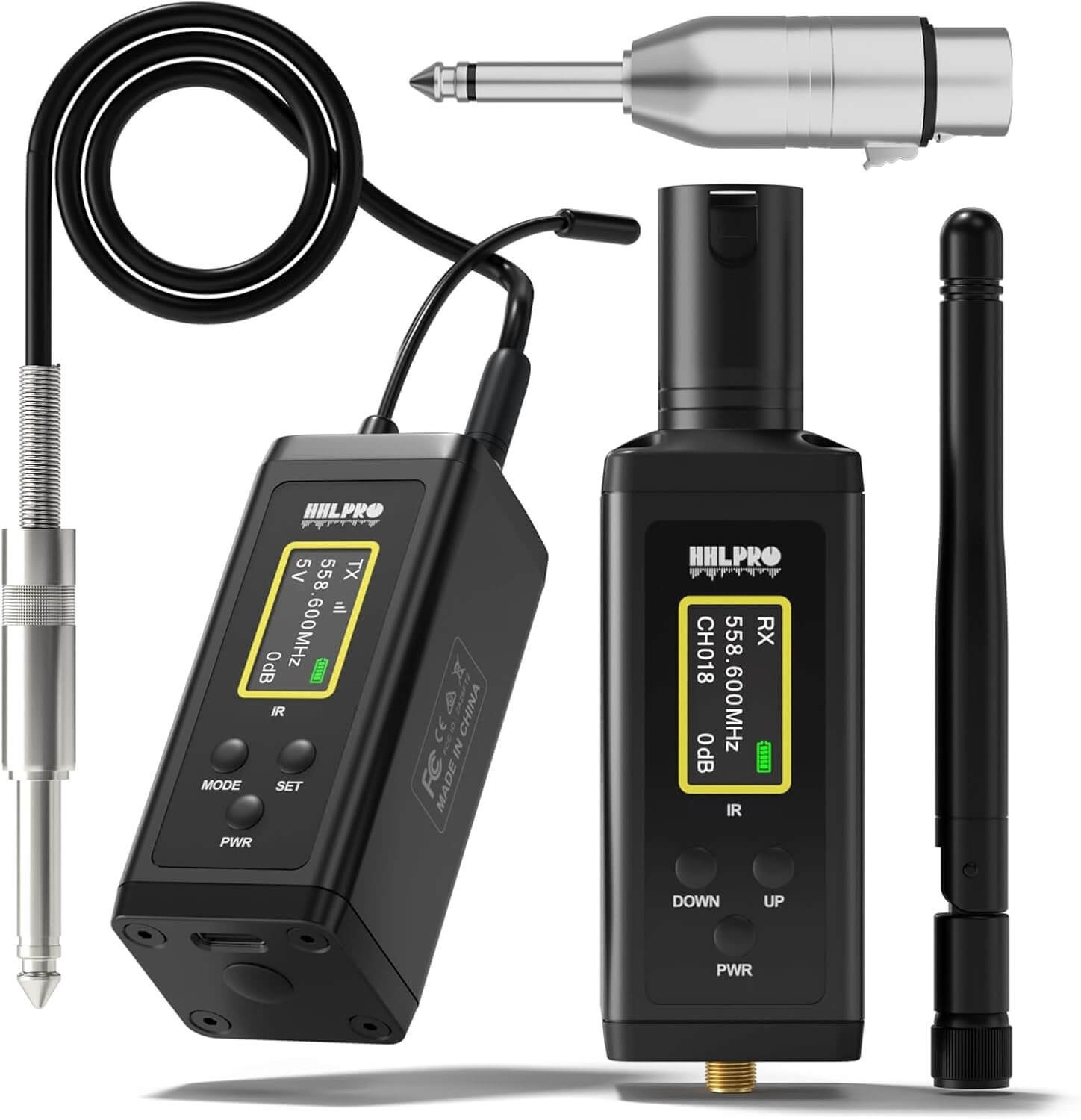
Setting up a UHF wireless guitar system can seem daunting at first, but by following a few straightforward steps, you can efficiently connect your equipment for optimal performance. The first step is to ensure you have all the necessary components, including the transmitter, receiver, power supplies, and a guitar with appropriate output.
Begin by connecting the receiver to your amplifier. Use the appropriate cable to plug the output of the receiver into one of the input jacks on your amplifier. Ensure that the receiver is powered on and placed in a stable position where it can receive a strong signal without obstruction.
Next, proceed to connect the transmitter to your guitar. Locate the output jack on your guitar and plug the transmitter into it securely. When attaching the transmitter, ensure it is clipped onto your guitar strap or securely fastened to prevent accidental disconnections during use.
Once both the transmitter and receiver are connected, it is important to pair them. This process typically involves selecting a matching frequency on both devices. Begin by powering on both the transmitter and receiver. Many systems will have an automatic pairing feature; consult your user manual for specific instructions. If your devices require manual frequency adjustment, make sure to select the same channel on both the transmitter and receiver to establish a solid connection.
After pairing, check the audio levels. Play your guitar and adjust the volume knobs on both the transmitter and receiver to ensure the sound is clear without distortion. If necessary, fine-tune the settings until you achieve the desired sound quality. Lastly, move around the performance area to test the range and ensure there are no dropouts in the signal.
By following these steps, even first-time users can easily set up a UHF wireless guitar system, allowing them to enjoy the freedom of wireless performance.
Real-World Applications and Performances
The UHF wireless guitar system has significantly transformed the way musicians approach their performances. Many guitarists, both amateur and professional, have adopted these systems for their versatility and reliability in various performance settings. For instance, renowned guitarist Jane Doe shared her experience at a recent outdoor music festival. She noted that the UHF wireless system allowed her to move freely across the stage, engaging with the audience without being tethered to her amplifier. This level of mobility not only enhanced her performance but also fostered a more dynamic interaction between the artist and the crowd.
Musicians often highlight the benefits of using the UHF wireless guitar system during live shows. Its ability to provide a robust and interference-free signal has been critical during performances in venues with multiple wireless devices operating simultaneously. A local rock band recounted their frustrations with wired setups at crowded events, explaining that they often faced limitations in movement. After switching to a wireless system, they reported that their stage presence improved markedly, allowing them to utilize the entire performance area effectively.
Furthermore, the convenience of practicing with a UHF wireless guitar system cannot be overstated. Many guitarists now use these systems during rehearsals, facilitating a more natural playing experience. The freedom to move around while maintaining a clear sound helps musicians connect more deeply with their instrument. Renowned session guitarist John Smith emphasized this in one of his testimonials, stating that practicing without the restrictions of cables has elevated the quality of their sound and performance preparation. Overall, the UHF wireless guitar system appeals to a broad spectrum of musicians, providing practical advantages that enhance both live performances and practice sessions.
Comparing the UHF Wireless System with Competitors
When evaluating the UHF Wireless Guitar System, it is essential to compare its features, pricing, and user experiences with other wireless systems available on the market. One predominant alternative is the VHF wireless system, which, while generally more affordable, presents certain limitations in terms of frequency range and potential interference. UHF systems operate over a broader frequency spectrum, leading to improved signal clarity and reduced dropout risks, thus making the UHF wireless guitar system ideal for both live performances and practice sessions.
Another competitor to consider is the digital wireless guitar system, which offers several advanced features such as automatic frequency selection and encryption. However, these systems often come at a higher price point. In contrast, the UHF Wireless Guitar System manages to strike a balance between performance and cost, making it a more accessible option for both amateur and professional musicians seeking quality without breaking the bank. Users have noted the robust construction and reliable performance of the UHF system, which is crucial for lengthy gigs or rehearsals.
Customer reviews can provide valuable insights into real-world applications of these products. Many users of the UHF Wireless Guitar System commend its outstanding sound quality and the simplicity of its setup process. Unlike some competitors that may require extensive calibration or complicated configurations, the UHF system is designed to be plug-and-play, ensuring that musicians can focus on their performance rather than technical issues.
Overall, when comparing the UHF Wireless Guitar System to other wireless devices, its advantageous features combined with positive user feedback position it as a highly recommended choice. Its combination of affordability and superior performance ensures that musicians at all levels can benefit from this exceptional technology.
Maintenance and Care for Longevity
To ensure the optimal performance and longevity of your UHF wireless guitar system, it is essential to implement a regular maintenance routine. By adhering to specific care practices, you can enjoy reliable performance and extend the lifespan of your equipment.
First and foremost, cleaning your wireless guitar system is crucial. Dust and debris can accumulate in both the transmitter and receiver units, potentially leading to operational issues. Use a soft, dry cloth to gently wipe the surfaces of both components regularly. For more thorough cleaning, dampen the cloth slightly with water or a mild cleaning solution. Avoid using abrasive materials that could scratch the finish or compromise the internal components of the system.
Charging practices also play a vital role in maintaining the system’s efficiency. Most UHF wireless guitar systems use rechargeable batteries, which should be charged according to the manufacturer’s recommendations. It is advisable to establish a consistent charging schedule, ideally after every performance or practice session. Overcharging or allowing the batteries to deplete completely can diminish their overall capacity over time. Consider investing in spare batteries to minimize downtime during usage.
Moreover, safe storage should not be overlooked. When your UHF wireless guitar system is not in use, store it in a protective case to shield it from environmental factors, such as moisture, temperature extremes, and physical damage. If possible, keep the system in a stable environment, away from direct sunlight and high humidity levels, which can adversely affect electronic components.
In conclusion, thorough maintenance and care are essential for maximizing the lifespan and performance of your UHF wireless guitar system. By following these best practices, including cleaning, establishing charging schedules, and ensuring safe storage, you can help ensure that your equipment remains reliable and functional for years to come.
Conclusion: Why You Should Invest
Investing in a UHF wireless guitar system offers numerous advantages that can enhance your musical experience significantly. First and foremost, the freedom of movement provided by a wireless system allows guitarists to perform with greater spontaneity and creativity. No longer constrained by cables, musicians can engage more dynamically with their audience, explore the stage, and express their artistry without the typical limitations of wired setups.
Reliability is another critical factor to consider. UHF (Ultra High Frequency) wireless guitar systems operate on frequencies that are less prone to interference than other wireless systems, ensuring a stable connection even in crowded venues or outdoor environments. This reliability offers peace of mind to performers, knowing that they can deliver high-quality sound without worrying about signal drops or interruptions during critical moments of a performance.
Moreover, the sound quality offered by a UHF wireless guitar system is often superior, providing clarity and fidelity that many wired systems struggle to match. The advanced technology used in these systems captures the nuances of your performance, allowing for a more authentic reproduction of your tone. This is especially crucial for professional musicians who want to present their best sound during live performances or recordings.
In conclusion, the benefits of transitioning to a UHF wireless guitar system are compelling. With enhanced mobility, greater reliability, and improved sound quality, this investment can significantly elevate both practice sessions and live performances. If you’re a guitarist looking to upgrade your setup, consider the UHF wireless guitar system as a valuable addition. Embrace the freedom and quality it offers, and elevate your musical journey to new heights.